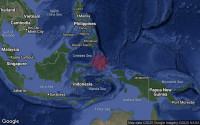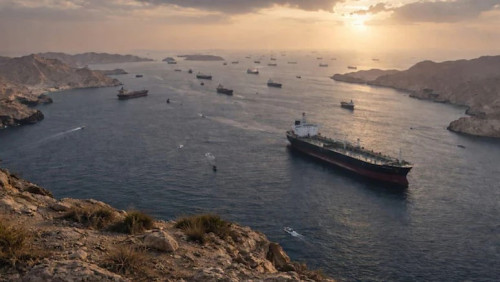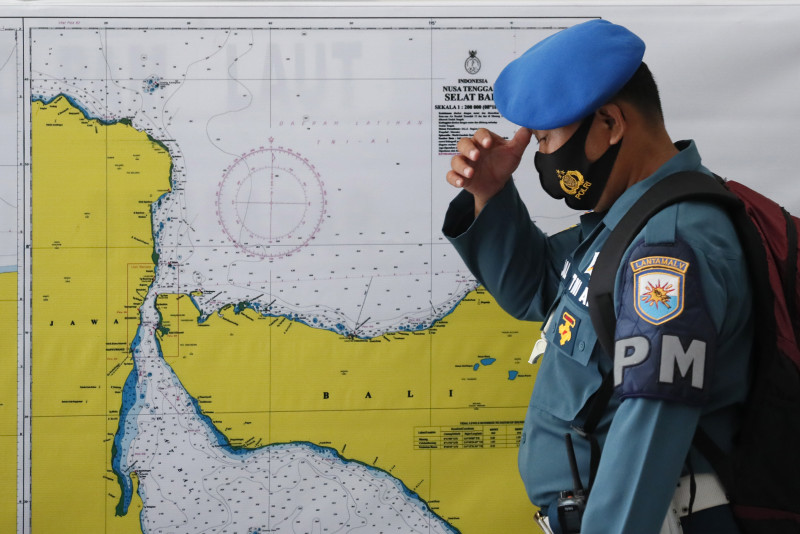
BALI – Indonesia’s desperate search for a missing submarine and its crew of 53 homed in on a signal from an unidentified object today, with just hours to go before the stricken vessel’s oxygen reserves run out.
The ramped-up hunt comes as Australia and the United States are set to join the search off the coast of the island here where the sub disappeared more than two days ago during training exercises.
Late yesterday, the military said it picked up signs of an object with high magnetism at a depth of between 50m and 100m.
Ships equipped with specialised tracking equipment were deployed in the hope that the object could be the KRI Nanggala 402, which is equipped with oxygen reserves that could last until early tomorrow, said authorities.
“We’ve only got until 3am tomorrow, so we’re maximising all of our efforts today,” said Indonesian military spokesman Achmad Riad.
“Hopefully, there will be a bright spot.”
‘Very limited oxygen’
Despite hopes for a miracle, an oil spill spotted where the sub is thought to have submerged points to possible fuel-tank damage, fanning fears of a deadly disaster.
There are also concerns that the vessel could have sunk to depths believed to be as much as 700m, well below what it was built to withstand.
The German-built sub was scheduled to conduct live torpedo exercises when it asked for permission to dive. It lost contact shortly after.
Yesterday, the US military said it would send airborne teams to help in the search, while Australia said two ships were on their way to assist.
Neighbouring Singapore and Malaysia have already dispatched ships that are expected to arrive this weekend, including the city state’s MV Swift Rescue, a sub rescue vessel.
India yesterday said it has sent a ship to aid in the hunt.
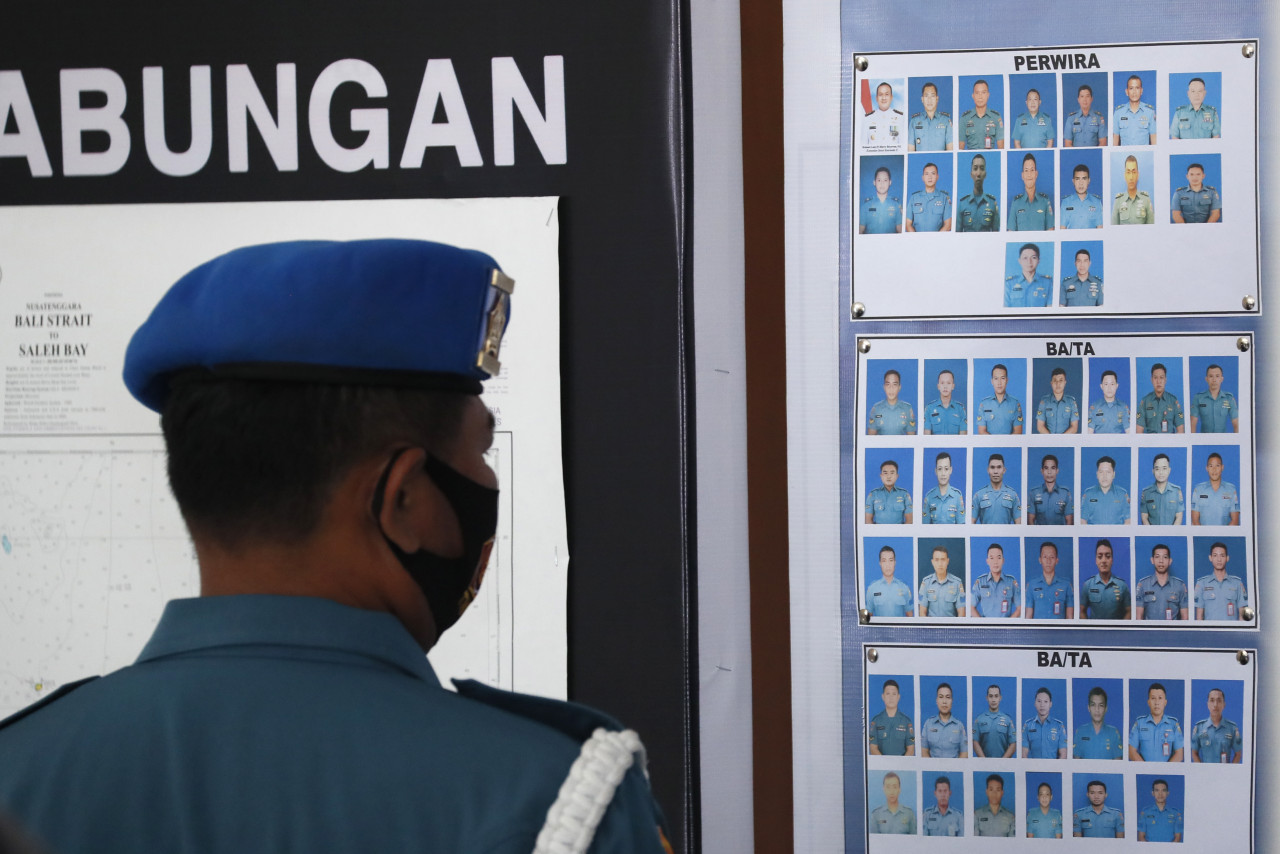
However, hopes of finding the crew alive are fading fast.
“If there is serious damage to the boat itself, it could potentially mean a few things, for example, there will be very limited spaces for the crew with very limited oxygen,” said Collin Koh, a naval affairs specialist and research fellow at the S. Rajaratnam School of International Studies in Singapore.
“It could also mean that the reserve tanks for oxygen might potentially be damaged as well. So, it will further reduce the oxygen level.”
Subs are equipped to prevent carbon dioxide build-up, but if the equipment is damaged, it could pose a serious risk, he said.
“It’s not just about whether there will be enough oxygen, but it’s also about the level of carbon dioxide within the interior that could determine the fate of the submariners.”
Deadly disasters
While Indonesia has not previously suffered a major sub disaster, other countries have been struck by accidents in the past.
Among the worst was the 2000 sinking of the Kursk, the pride of Russia’s Northern Fleet.
That vessel was on manoeuvres in the Barents Sea when it sank with the loss of all 118 aboard. An inquiry found that a torpedo exploded, detonating all the others.
In 2003, 70 Chinese naval officers and crew were killed, apparently suffocated, in an accident on a Ming-class sub during exercises.
Five years later, 20 people died by poisonous gas when a fire-extinguishing system was accidentally activated on a Russian sub being tested in the Sea of Japan.
In 2018, authorities found the wreckage of an Argentine sub that had gone missing a year earlier with 44 sailors aboard. – AFP, April 23, 2021