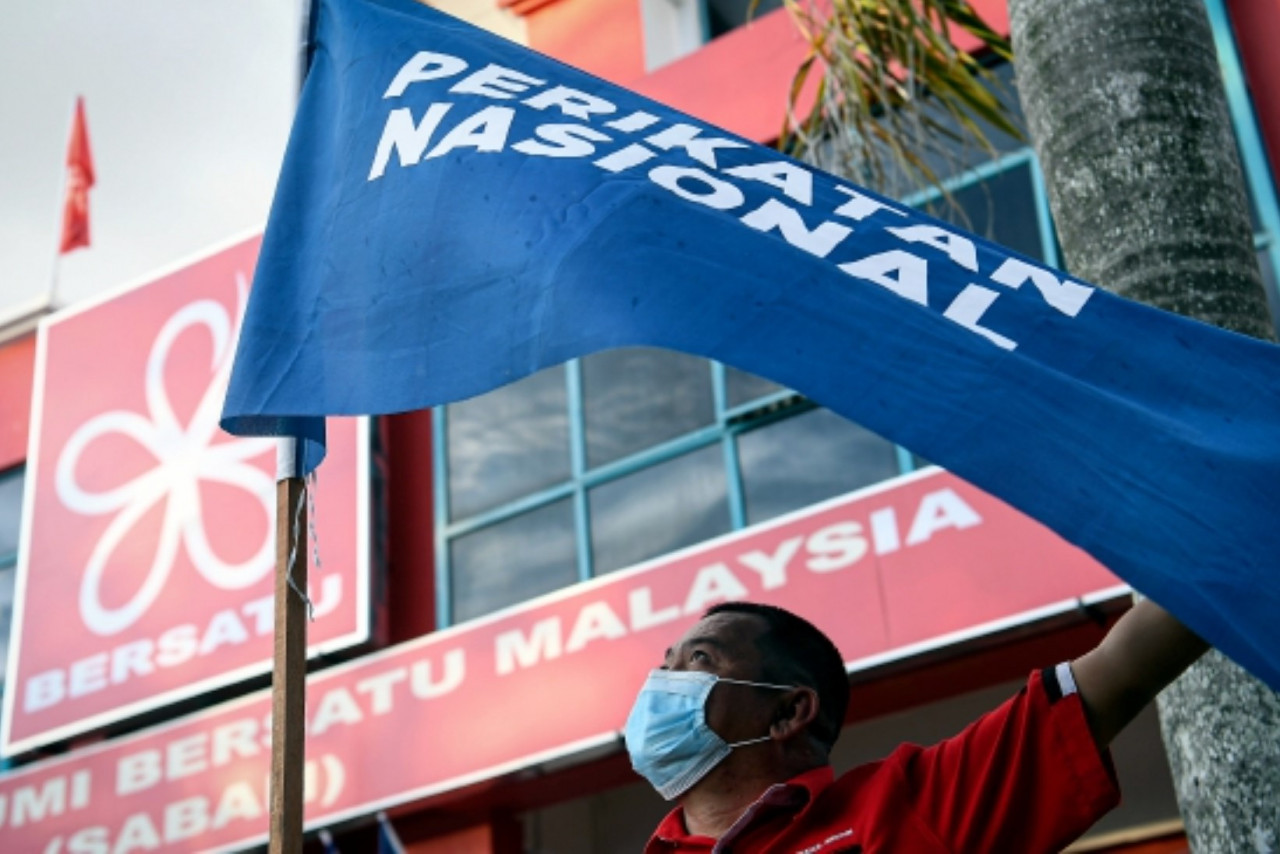
BERSATU is no longer in a position to control or confront PAS within Perikatan Nasional (PN), as the coalition’s internal balance of power has shifted decisively in favour of the Islamist party, political analysts say.
James Chin said Malaysian politics at the highest level is ultimately a numbers game, and the parliamentary arithmetic within PN clearly favours PAS.
“With PAS holding 43 Members of Parliament, there is no realistic scenario in which Bersatu — which has 25 MPs — can control or challenge PAS,” he said.
Chin’s remarks follow PN’s appointment of Datuk Seri Dr Ahmad Samsuri Mokhtar as chairman, a move widely seen as cementing PAS’s dominance within the opposition pact.
He noted that earlier uncertainty surrounding the political trajectory of Datuk Seri Hamzah Zainudin had contributed to internal friction within PN. However, the leadership restructuring has now clarified the coalition’s power structure.
“There was speculation about what would happen to Hamzah. That uncertainty fuelled some of the infighting. Now the picture is clearer,” Chin said.
He cautioned that Bersatu faces longer-term structural risks, warning that if Hamzah were to build political momentum independently, further defections could occur.
“It is not unthinkable that Bersatu could fragment if members decide to move again,” he said, noting that the party was founded by leaders who left Umno.
“There is precedent for political migration.”
Meanwhile, Azmi Hassan of Akademi Nusantara described the leadership change as a strategic compromise aimed at stabilising the coalition ahead of the next general election.
Azmi suggested there may have been a quid pro quo arrangement linked to Hamzah’s position as Opposition Leader.
“It was relatively easy for Bersatu to accept Dr Sam, possibly because of the issues surrounding Hamzah within the party. PAS may have argued that it should lead PN, given that it is currently in a much stronger position than Bersatu,” he said.
According to Azmi, one of PAS’s longstanding weaknesses has been its limited appeal among non-Malay voters. Elevating Samsuri — often referred to as Dr Sam — could help soften the party’s image and broaden PN’s support base.
“PN needs to attract non-Malay support before the general election. That has been a shortcoming for PAS.
“Dr Sam’s professional and technocratic image may help improve public perception.”
Azmi added that Bersatu’s backing of Samsuri signals alignment between the coalition’s two principal parties.
Should PAS eventually withdraw its support for Hamzah as Opposition Leader, he said, tensions within Bersatu — and by extension PN — could ease further.
Taken together, the analysts said the latest developments underscore the consolidation of PAS’s influence within PN, while reflecting pragmatic manoeuvring aimed at preserving coalition unity and strengthening its electoral positioning ahead of the next national polls.
Meanwhile, Dr Oh Ei Sun said the appointment of Samsuri as PN chairman could spell significant challenges for Pakatan Harapan (PH) and Barisan Nasional (BN) in the next general election.
Oh noted that Samsuri has long been rumoured to be PN’s prospective candidate for prime minister.
“Dr Sam has long been rumoured as the PN candidate for PM. Now that he is PN chairman, the rumour is fast becoming a reality,” he said.
He added that with PAS remaining the dominant force within PN, the coalition is poised to mount a stronger challenge in the coming polls.
PAS currently holds the largest bloc of parliamentary seats within PN, consolidating its influence over the coalition’s strategic direction.
Oh said the leadership development, combined with PAS’s organisational strength, could intensify political competition nationwide.
“With PAS remaining powerful, this will make the next general election very competitive,” he said. – February 23, 2026